IBJJF 2027 Rule Changes: White Belts Lose the Ankle Lock, Lapel Guards Get a Clock
The IBJJF released its 2027 rule changes on November 12. Blue and purple belts can now turn in the straight ankle lock, white belts lose the move, and the Crown's lapel and guard pull rules go to every event.

All 13 changes take effect January 1, 2027. That leaves the IBJJF No-Gi World Championship in Las Vegas next month on the current rules and makes the European Championship in Lisbon in January the first major under the new ones.
The IBJJF posted the list on a new page linked from its Books and Videos page, with the old and new wording of each rule and example videos. The full 2027 rule book has not been posted yet.
Blue and purple belts can turn in the ankle lock, and white belts lose it
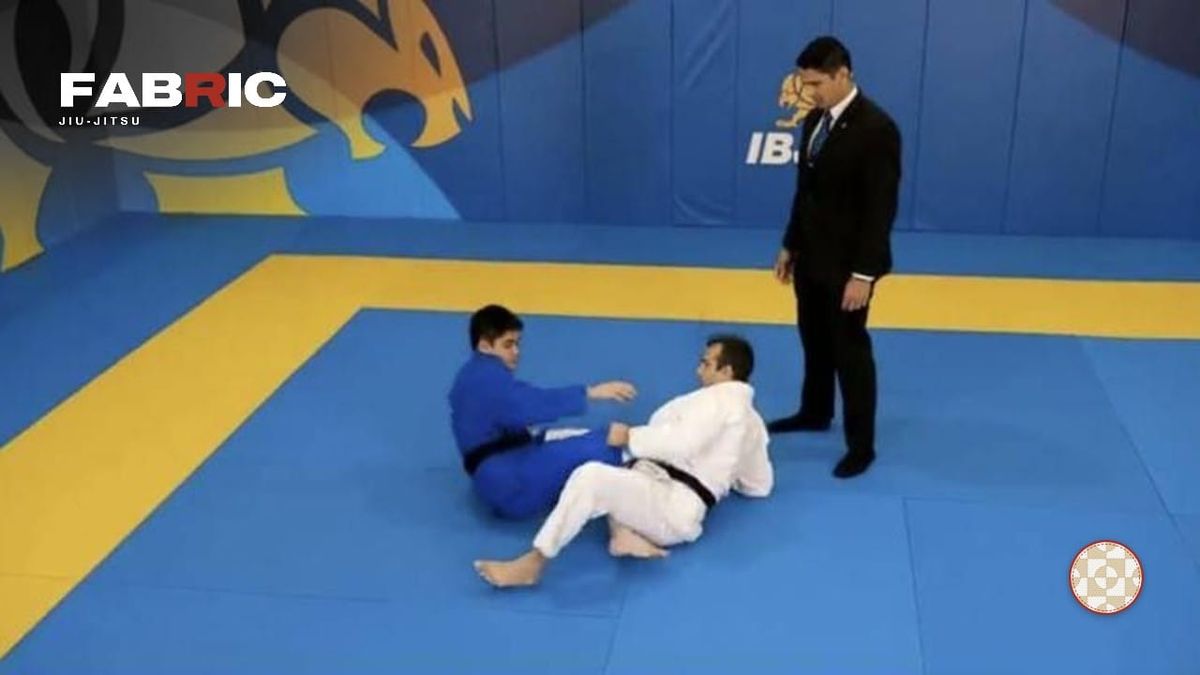
The biggest change is to the straight foot lock, the ankle lock most athletes learn first. Blue and purple belts in the adult and masters divisions may now turn toward the foot not under attack, as brown and black belts have since 2024.
White belts and juveniles go the other way. The straight foot lock becomes illegal for white belts at every age and for 16 and 17 year olds at every belt, which leaves white belts with no legal leg lock at IBJJF events.
The Crown's lapel and double guard pull rules go to every event
Two rules the IBJJF used at the 2026 Crown in Long Beach become standard. An athlete who grips the opponent's lapel or belt and wraps their own leg in a controlling position, the setup behind worm guard and squid guard, now has 20 seconds to make progress.
Without progress, the athlete gets a stalling penalty, whatever the intention. The IBJJF already ran the same 20 second count for lapel and belt grips in 50/50 guard.
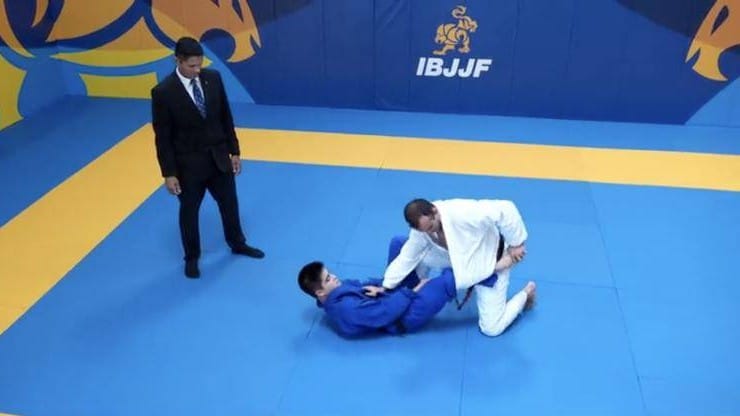
The double guard pull rule gets stricter too. When both athletes pull guard at once and neither reaches the top or scores in 20 seconds, the referee penalizes both and restarts them standing, even if one has a submission locked in.
Jumping guard becomes a severe foul for white belts
Jumping to closed guard on a standing opponent was already illegal for white belts and for athletes under 15, and the referee would stand both athletes back up.
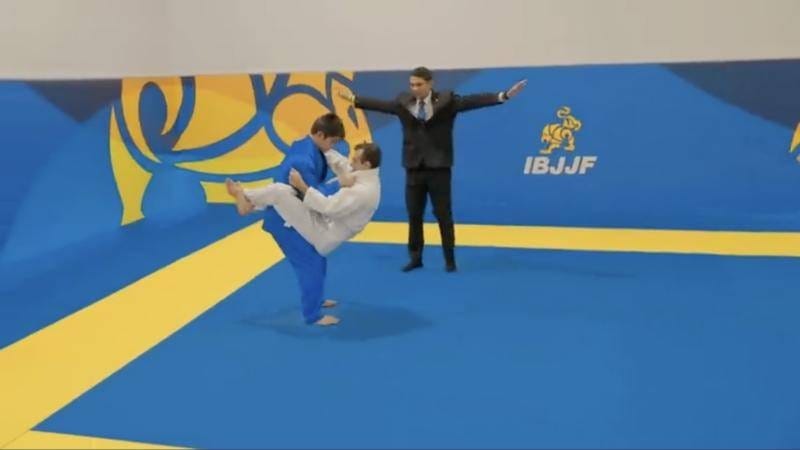
From January 1 it becomes a severe foul that disqualifies the athlete from the match. That includes any attack started by jumping guard, such as a flying triangle or a flying armbar.
Two scoring changes and a new reading of guard passes
A takedown against an opponent who pulls closed guard and hangs in the air now scores once the opponent lands on their back, side or seat. The old rule gave the athlete 3 seconds to put them down.
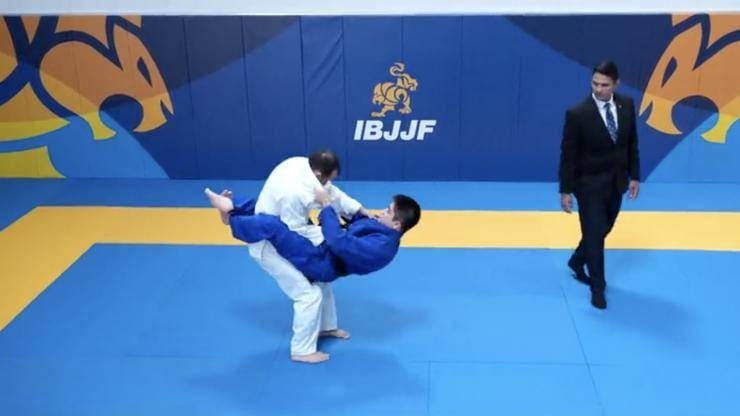
A new rule covers matches stopped with a submission in place for a reason neither athlete caused. When the rule book has no other procedure for it, the athlete applying the submission gets 2 points and the match restarts standing.
The IBJJF also says the progression concept it already uses for sweeps now applies to guard passes. It presents this as a change in how the rules are applied, with no new rule book text, and explains it with an example video.
Masters 66 and older get their own division
Master 8 is new for athletes 66 and older, with 4 minute matches, and Master 7 now covers 61 to 65. The new division also joins the illegal moves chart and the tiebreak lists.
Tougher discipline and a calm down signal
The IBJJF can now turn a severe foul into a disciplinary disqualification when an athlete commits it on purpose or knowingly risks injuring the opponent, including with disproportionate force.
Any action meant to injure can bring one too, even if it isn't listed as a severe foul. Both calls are at the IBJJF's discretion and need a request from the event's referee coordinator. Referees also get a new gesture asking athletes to calm down.
New no-gi uniform rules
In no-gi, the rule that a shirt carries at least 10 percent of the belt color now applies only to colored belts, grey through brown, and the color has to show from the front or the back.
White belts need a mostly white shirt with black as the only other color, and black belts a mostly black shirt with white as the only other color, plus the small red area already allowed.
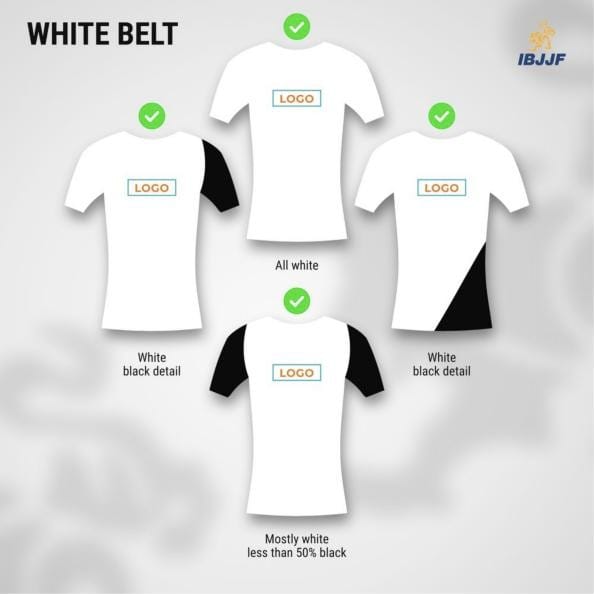
Shorts can end no lower than the knee and no more than 15 cm, about 6 inches, above the middle of it. Kids' shorts must cover at least half the thigh.
Men may now wear spats under their shorts, and the IBJJF's no-gi uniform guide shows each rule with photos.
What the new rules leave open
The IBJJF's page gives the new wording for every rule, but a few situations are left for referees to work out until the full 2027 rule book arrives.
- Regripping the lapel: the leg wrap rule doesn't say whether letting go and grabbing again inside 20 seconds resets the count.
- What counts as progress: neither a "controlling position" nor "positional progression" is defined.
- Repeat penalties: the rule doesn't say whether the 20 second count starts over after a penalty. If it does, an adult could reach a fourth penalty, and a disqualification, in about 80 seconds.
- A submission at the double guard pull count: the match stops anyway. The new 2 point rule covers stoppages with no set procedure, and the double guard pull has one, so a locked submission appears to earn nothing.
- Banking an advantage: since the match restarts standing either way, an athlete in a double guard pull could attack a leg lock for an advantage and then take the restart.
JiuJitsu.net reported the lapel, double guard pull, ankle lock, jumping guard and juvenile changes in its Instagram stories before the IBJJF published them.
Every 2027 change at a glance
| Change | Rule | Applies to |
|---|---|---|
| Jumping guard becomes a severe foul | 6.2.3 M | Under 15 (all belts) White belts of every age |
| Turning in the straight foot lock allowed | Illegal moves table, item 12 | Blue and purple belts, adult to Master 8 |
| Straight foot lock becomes illegal | Illegal moves table, item 8 | Juveniles 16 and 17 (all belts) White belts, adult to Master 8 |
| Takedown when the opponent hangs in closed guard | 4.1.12 | Everyone |
| Double guard pull stopped even with a submission in hold | 6.2.1 C | Everyone |
| 20 second count for a lapel or belt grip with the leg wrapped | 6.2.1 G (new) | Everyone |
| Disciplinary disqualification for fouls meant to injure | 6.1.7 and 6.1.8 (new) | Everyone |
| Calm down gesture for referees | Referee gestures | Everyone |
| 2 points for a submission in place when a match is stopped | 1.3.7 (new) | Everyone |
| Progression concept applied to guard passing | No rule book change | Everyone |
| No-gi shirt colors and shorts length | 8.1.16 | No-gi athletes |
| Master 8 added, Master 7 becomes 61 to 65 | 1.3 | Athletes 61 and older |
| Spats allowed under no-gi shorts | 8.1.16 | Men in no-gi |
Where to find the rules
Our IBJJF Rules guide now covers both the current rules and the 2027 changes, and its finder shows the 2027 rules for any division when you pick 2027 as the event year. Every IBJJF event we cover is on the calendar.
All rules and images in this story come from official channels.